


Family life is usually framed as the tangible place of love, support and comfort, and at the same time the place where misunderstandings are accumulated, emotional distance is created, and the thing which remains unresolved is smolders. Family wars are not something unusual, they may be caused by the generational gaps, communication problems, expectations to the role, or emotional traumas. By not addressing such concerns, they may breed and result in emotional strain among all the involved parties. Counseling also provides a safe environment that is neutral, and families learn to know each other better, form better communication patterns and resolve their differences in an accommodating environment.
Family Conflicts- What is it?
The reasons why families could have conflicts are as numerous as they can ever be. In other cases it may be a personality conflict between brothers and sisters or some conflict between parents and youngsters based on values or expectations. In some instances, it could be the case because of deep-seated criticism, silence, favouritism, or control patterns. Even life changes, like divorce, or remarriage, illness or financial pressures may cause an emotional turmoil that provokes an argument or anger.
Not always, these conflicts are not born out of ill intent. Quite frequently, the members of the family love each other greatly and do not have the instruments to ask them about their needs in a way that does not feel unsafe and destructive. This after a period of time causes emotional disconnects, passive aggressive behaviours or open hostility. Looking at it as a therapist, it is necessary to comprehend that families are systems, one person will typically influence everyone (because one of the things that will affect them is a person). And in the case of lack of harmony, it depicts an imbalance in this system. The purpose of therapy is to encourage families to identify such patterns, peel away the feelings beneath them and drawbridges of understanding.
How Counseling can be used to solve family problems
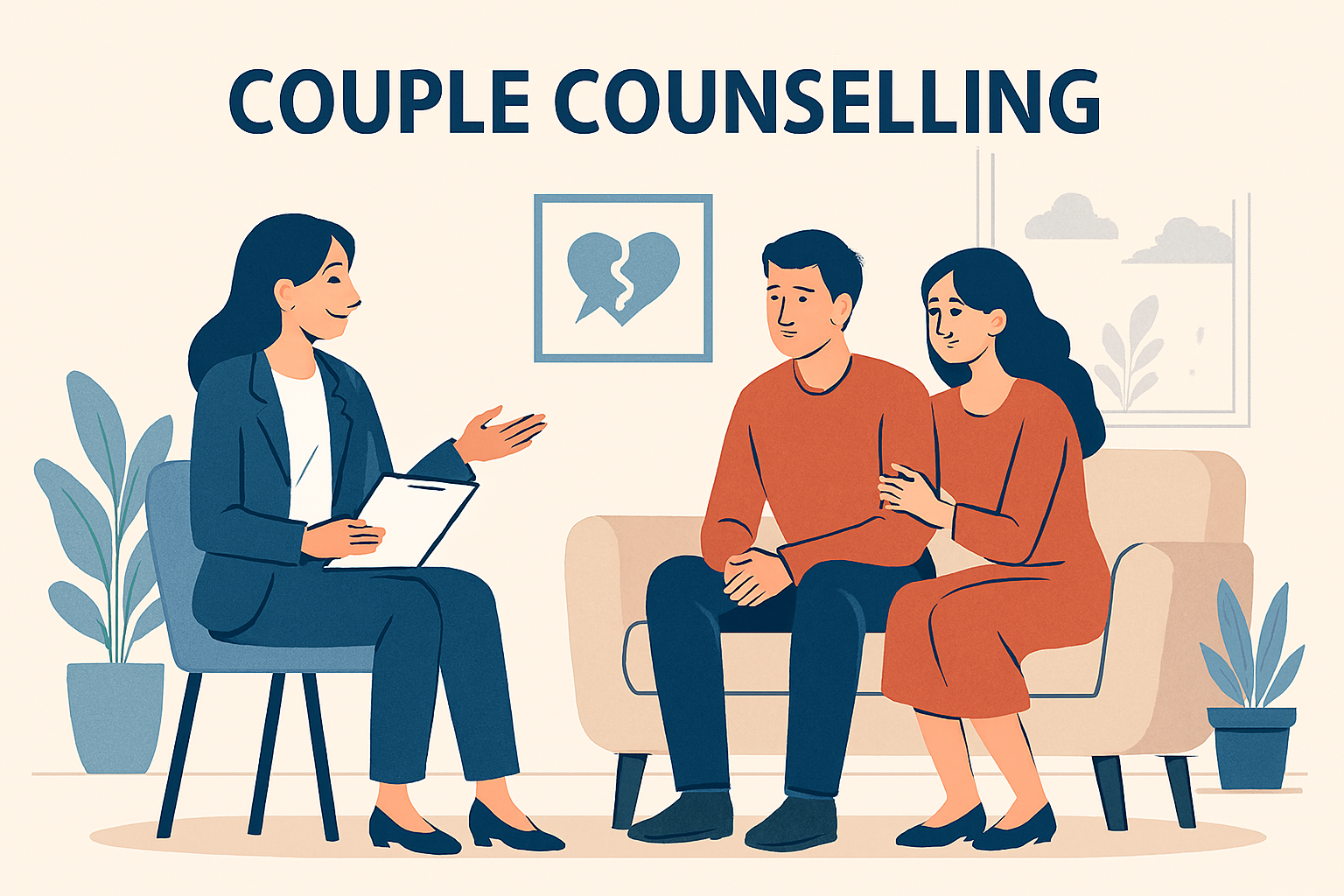
The nature of family counselling is not to blame somebody or lay blame on who is wrong and who is right. Rather, it is an oriented procedure to aid the people within a family unit realize their roles to better communicate and learn how to solve common problems together.
This process is aided by a trained therapist, who can give a person an understanding of their behavioural patterns, what emotions cause people to act in the way they do, and what underlying needs become the motivation behind each of their words or actions.
Some things that the counsellor will consider in sessions:
Relationship patterns: Is the family open in their communication or are there suppressed feelings? Is it that people listen to respond or listen to understand?
Emotional dynamic: What emotions are held down or inexistent? Is it hurt under the guise of anger? Is it word of mouth or self-protection?
Patterns in relationships: Does one party always fulfil the role of the peace keeper and the other one play the role of critic? Do childhood wounds still bleed and affect relations today?
Counseling that leads to transitioning reactivity to deliberate connection is done by focusing on these aspects within a family.
Typical Questions Involved in Family Therapy
There are some themes, which keep taking families into counselling. These could be:
Parent-child conflict: Academic pressure, different expectations and discipline may lead to constant tension between the parent and the child.
Blended families concern: It can be emotionally draining and confusing to adjust to new siblings and step parents.
Conflicts due to generational gap: It’s tough for the elder members of the family to relate with younger members especially in the areas of lifestyle, technology or even value system.
Addiction or mental health: In case one of the members of a family is struggling with a mental condition or the substance use problem, the entire family tends to suffer.
Grief and loss: The demise of someone close to a patient, or a significant life change may lead to emotional separation, or a sharpening of underlying conflict.
In both instances, counselling assists families to deal with their feelings and employ more healthy ways of coping.
The Depiction of a Therapist: What a Cure Will entail
As a therapist, one should understand that the process of healing can take time in family counselling. Initially, the sessions may be awkward or even strained. People do not easily express years of pain, and how much more when this has to do with the loved ones. Some will come as though defence is needed, others will be quiet. That’s expected. However, when trust is built up in the therapeutic space, something changes.
Individuals start hearing without being judged. Barricades of bitterness are lowered. A parent may understand that he or she was stingy because he was afraid, not angry. A child could end up becoming courageous enough to utter, I never felt seen. Seemingly minor such revelations can be the basis of purposeful change.
Counsellors assist the family to acquire new ways of expressing themselves and learning to do it with the help of using statements of I feel and not blaming anyone, or learning to listen actively and not to react. These may not appear to be much but they will leave space to be more truthful and understanding. In due course, this movement of emotion starts being reflected at the home environment too. Counsellors also present such tools as role-playing, journaling, or mindfulness exercises to make families understand their response and make more considerate decisions in their present states. Perfection is not the point, but progress, and to come out of destructive cycles to transformative discourses.
The advantages of Family Counseling
Those families who are willing to commit to therapy usually observe:
Better communication: The members are taught how to present their commands in a better manner and in a way that would not offend anyone.
Deepened empathy: It helps to know the perspective of one another and to calm the judgment.
Healing of old trauma: Old traumas can be resolved and processed.
Improved coping techniques: The families develop to react more collectively and positively to problems.
A heightened sense of emotional security: People start feeling safer when they are in a relationship and feel appreciated.
Although solutions to all problems may not be found, the family would get tools that would enable them better manage future problems with less distress.
When Family Counseling is To be Considered
There is no single right moment to find therapy, however, there are some indicators that document the fact that professional assistance should come in handy. These include:
- Constant fights which do not appear to end
- Tension or tiptoeing around at home at all times
- Emotional distance between family members
- significant life transition that is stressful
A member with the issues of anxiety, depression, or behavioural issues Being gridlocked, frustration about the dynamics of family members
What the Process will look like
The therapist is impartial and prepares a healthy space where every individual can express his or her view. Goals will be re-evaluated in the process of the therapy, and the sessions will be modified according to the needs of the family.
The sessions could either be weekly or twice a week and the frequency of the meeting depends on how deeper and complex the issues being tackled are. There also are some families which get short-term support, although others can also involve in long term work.
Conclusion
Conflict within the family is normal so that as long as it is short lived and non-traumatic and not divisive, family conflict should not cause the family to strain. Counseling provides a solution of restoring that fabric- not by breaking down that fabric of differences but rather by meeting them squarely and facing them through honesty, care, and the help of a trained professional.
Counseling allows the family to not only learn how to communicate effectively, but also to also know each other well. It is the question of redirection of blame to interest, of resisting contemplation. Every meeting opens up the way to increased understanding, emotional security, and respect.
The therapy does not eliminate conflict but it equips families with ways through which they can live in it with understanding and heart. By doing it, it transforms periods of disagreement into a chance to become closer to each other- reinforcing the ties that bind them.

Leave a Reply